Running a bustling commercial kitchen demands maintenance to prevent costly interruptions and protect your bottom line. From hotels and restaurants to catering halls, every appliance must work flawlessly to satisfy customers. When an ice maker malfunctions, timely ice dispenser repair becomes crucial in avoiding service delays and stock shortages.
Beyond simply fixing visible issues, expert technicians conduct in-depth checks to identify hidden faults before they worsen. Their rapid response and skilled techniques restore efficiency quickly, keeping operations smooth. Investing in routine inspections and immediate fixes not only safeguards your daily workflow but also contributes to long-term equipment health and reliable performance. Regular service agreements often include priority scheduling and discounted labor rates. Additionally, documenting each service visit builds a historical record that informs future upgrades and budgeting decisions.
The Scope of Kitchen Equipment Services
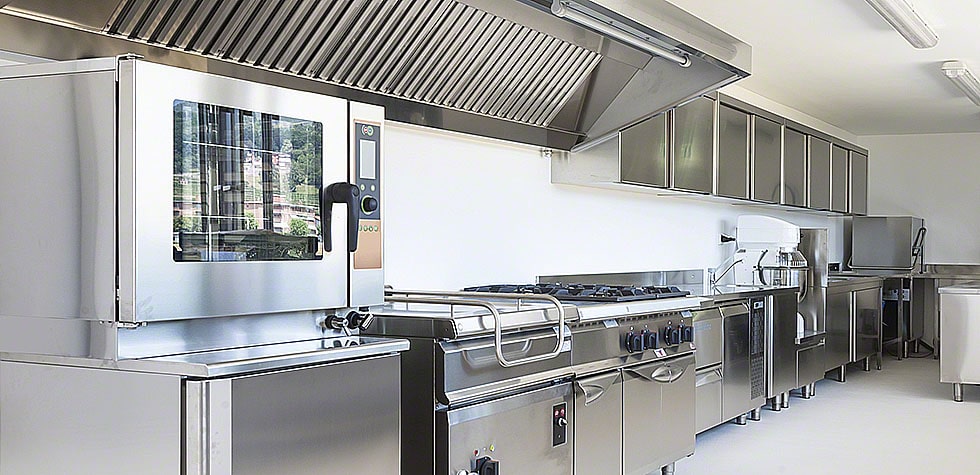
In any large-scale kitchen environment, a wide range of equipment such as ovens, fryers, dishwashers, and ice machines demands comprehensive care to operate safely and efficiently. Skilled technicians bring the ability to service complex systems that integrate electrical, plumbing, and refrigeration components.
These specialists use manufacturer-approved parts and follow best practices to guarantee that repairs meet warranty and safety requirements. Rapid access to replacement parts ensures repairs conclude without waiting for special orders. This approach bolsters confidence in kitchen reliability among owners and staff alike. Addressing minor issues promptly prevents extended downtime, which can translate into significant revenue losses during peak service hours. A trusted service partner often offers flexible scheduling and rapid response times to suit varied operational demands. By understanding the distinct needs of each appliance type, businesses can tailor their maintenance approach to ensure consistent performance.
Identifying Common Kitchen Appliance Challenges
One of the most frequent challenges in busy kitchens is spotting subtle leaks in water lines, ice machine reservoirs, or refrigeration coils before they cause major damage. When seals wear out or pipes corrode, hidden moisture can promote mold growth and create safety hazards. Similarly, electrical malfunctions such as short circuits or sensor failures can bring operations to a sudden halt. Unexpected shutdowns due to undetected leaks or component failures can disrupt service flow for hours, making early detection essential.
Monitoring water pressure and motor overload levels helps staff detect anomalies early and request professional assistance. Training team members to recognize these warning signs fosters a proactive maintenance culture. Ignoring minor warning signs can lead to extensive repairs that disrupt staffing and planning. Cultivating clear reporting channels empowers staff to flag problems swiftly.
The Role of Expert Diagnosis in Appliance Health
Accurate diagnosis is vital for resolving appliance failures effectively and avoiding repeat visits that eat into operational time. Technicians employ a structured approach, inspecting electrical circuits, fluid levels, and mechanical parts with thorough documentation at each step. This methodical process ensures precision in identifying root causes rather than simply treating symptoms.
When issues arise, a swift repair restores full capacity, reducing stress on staff and preventing cascading breakdowns. Clear reports outline findings, recommended actions, and estimated service timelines, empowering managers to make informed decisions. By understanding exact fault origins, companies also optimize spare part inventories and budget allocations. Collaboration with equipment manufacturers also helps confirm best-practice repair protocols.
Specialized Care for Ice Machines and Other Units
When ice machines freeze solid or produce insufficient cubes, many businesses turn to commercial appliances repair Fairfax Station experts to restore normal output. Skilled professionals assess water filter integrity, temperature sensors, and drain lines to pinpoint the exact failure mode. They evaluate water quality and mineral buildup, ensuring that hard-water deposits do not impair component function. Emerging technologies like self-diagnostic controls can alert teams to early signs of wear before output declines.
Technicians may also recommend performance upgrades that enhance capacity and reduce future maintenance needs. Detailed post-service evaluations provide actionable insights to refine operational procedures. Through specialized cleaning and calibration, appliances return to optimal performance, reducing risk of unexpected shutdowns. Incorporating preventive filter changes and scale inhibitors into routine maintenance schedules extends equipment life and maintains a reliable ice supply.
Preventive Maintenance: Scheduling and Inspections
Developing a tailored maintenance schedule is the cornerstone of preventing unplanned equipment failures. Technicians recommend routine tasks such as cleaning condenser coils, replacing gaskets, and verifying thermostat accuracy at set intervals. Detailed records of each inspection inform future maintenance needs and support compliance audits. Operators can customize checklists to match their specific menu demands and seasonal variations.
Engaging staff in basic upkeep routines fosters a sense of ownership and accountability. Performing timely inspections uncovers wear patterns and minor faults before they escalate into major service calls. This proactive approach reduces emergency interventions and aligns service visits with off-peak hours to minimize disruption. Well-maintained appliances deliver consistent quality and energy savings, making the investment in regular upkeep an essential component of long-term operational success.
Embracing Innovation to Boost Efficiency
Adopting innovation in kitchen equipment can unlock new levels of efficiency and operational reliability. Newer models feature IoT-enabled sensors that detect performance deviations and send alerts for scheduled maintenance. These smart systems use energy more effectively, reducing utility bills and carbon footprints. Many updated appliances include user-friendly interfaces that streamline staff training. Integration with inventory systems can also optimize supply levels and reduce waste.
Investing in cutting-edge refrigeration technologies and advanced cooking modules empowers kitchens to maintain high throughput without compromising food quality. By modernizing appliances, establishments not only benefit from enhanced functionality but also align with sustainability goals and modern regulatory standards. Such upgrades may qualify for rebates or tax incentives, further improving cost-effectiveness over time.
Navigating Repair Costs and Return on Investment
Balancing the budget for repairs against the long-term value created by extended equipment life is a critical financial decision. Businesses calculate sustainable return on investment by comparing repair expenses to the cost of full replacement and associated downtime. Service providers often offer tiered contracts that simplify pricing and provide straightforward cost structures for labor and parts.
Flexible payment options, such as monthly subscriptions or service credits, help spread expenses over time. Comparing multiple service contracts ensures the best fit for operational priorities. Transparent estimates help managers forecast expenses accurately, avoiding unexpected invoices that disrupt financial planning. By viewing maintenance as an investment rather than an expense, organizations secure reliable operations and optimize capital utilization. Clear payment terms and service guarantees also contribute to trusting vendor relationships.
Ensuring Compliance and Safety Standards
Adherence to local regulations and industry standards ensures that kitchen appliances operate safely and meet hygiene requirements. Regular cleaning and sanitization prevent bacterial growth in ice machines and refrigerators, supporting health codes and quality expectations. Properly maintained seals and defrost cycles protect food from spoilage, reinforcing sanitary practices in meal preparation.
Following the manufacturer’s service guidelines reduces the risk of voided warranties and potential legal liabilities. Integrating service records with digital management tools streamlines audit preparation. Compliance audits often require detailed logs of service activities and component replacements. Working with certified technicians provides documentation that satisfies inspectors and reduces liability risks. Such diligence promotes customer confidence and protects brand reputation.
Coordinating Repairs with Minimal Disruption
Effective communication between kitchen management and service teams is essential for achieving seamless repair operations without hampering meal production. Detailed coordination allows technicians to work during slow periods or between shifts, maintaining a steady workflow and minimizing lost revenue. Utilizing a centralized scheduling system helps avoid double-booking and ensures clear visibility of upcoming service events. Including contingency options like temporary rental units prevents complete shutdowns during extended repairs. Advanced service platforms provide real-time tracking of technician arrivals and task progress, ensuring managers can adjust staffing as needed. Building strong relationships with vendors fosters flexibility in emergency call-outs and rescheduling. Proper planning also helps allocate backup equipment or interim solutions to bridge any service gaps.
Conclusion
Ultimately, proactive maintenance practices and reliable commercial kitchen appliance repair Arlington services keep your operation running vibrant even during peak demand periods. Partnering with experienced service teams yields insights that enhance equipment longevity and performance, reducing the frequency of emergency fixes. Elevating equipment reliability demonstrates a commitment to excellence that resonates with both staff and customers. Taking decisive action today sets the stage for sustained success tomorrow.
Whether addressing urgent breakdowns or scheduling planned overhauls, a structured approach ensures minimal interruption and sustained quality. Making preventative care a top priority not only protects your investment but also secures customer loyalty through consistent service excellence. Invest wisely in service expertise to safeguard your kitchen’s future and reputation.